Database Reactivation: The Hidden Revenue Source In Your CRM
Before spending another dollar on ads, consider this: the average clinic has 300+ unconverted leads sitting in their system. Here's how to wake them up.

Every clinic owner I talk to believes their biggest marketing problem is lead generation. They need more people coming in from the top of the funnel — more ad impressions, more clicks, more form submissions. So they spend more on Google. They hire an agency to run Meta campaigns. They post more on Instagram.
Most of them are solving the wrong problem.
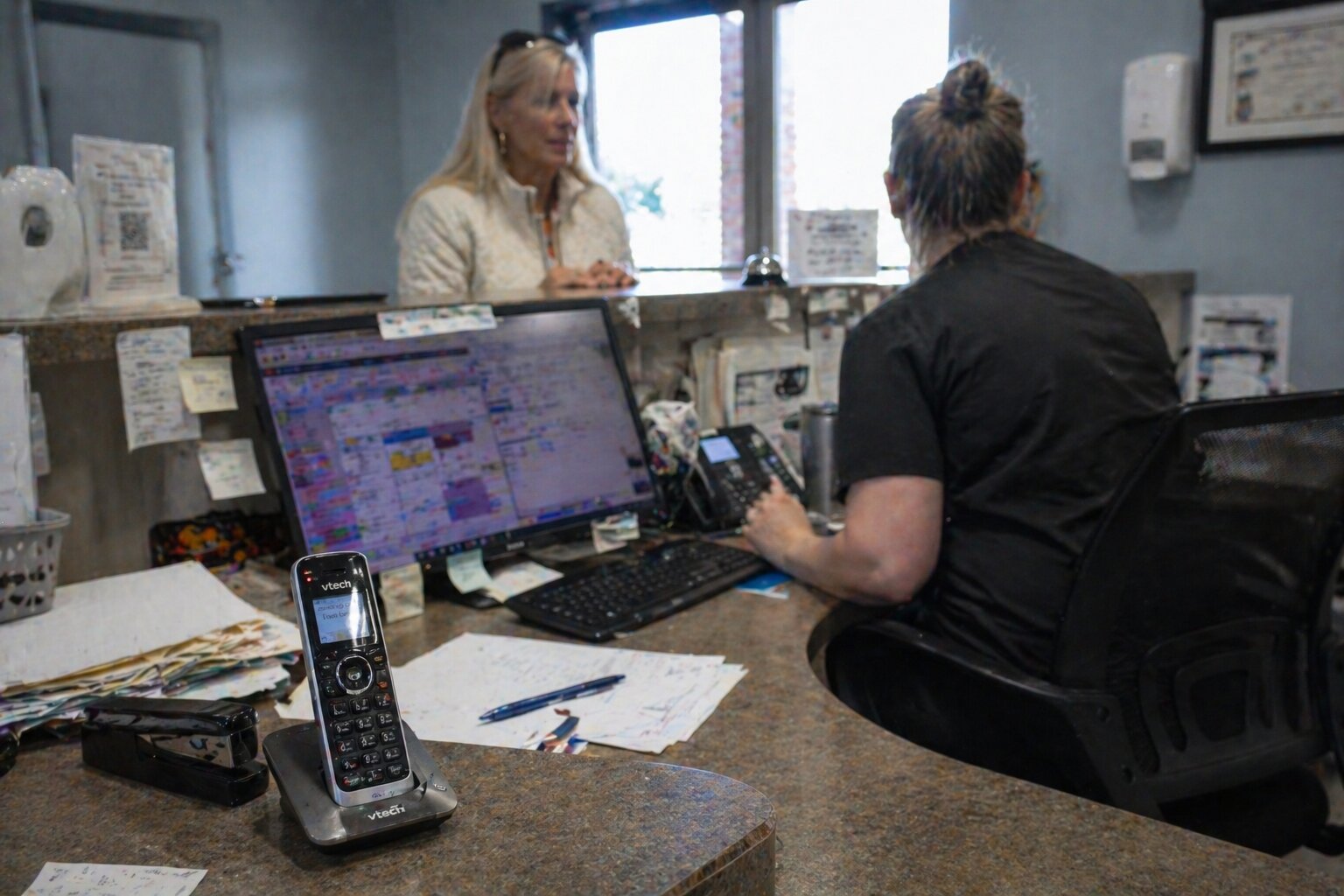
Before the first dollar goes toward generating new leads, there's a question worth asking: how many leads do you already have sitting in your CRM that were never properly followed up with?
What we find when we audit a clinic's database
When we onboard a new clinic partner, the first thing we do is an audit of their existing contact database. The results are consistent enough that we now expect them:
- The average clinic has 340 unconverted leads in their CRM — people who filled out a form, clicked an ad, or called in and expressed interest at some point
- Of those, approximately 60% never received a meaningful follow-up beyond the initial auto-response
- Another 25% received one follow-up call or email that went unanswered — and then nothing
- Less than 15% were ever nurtured with more than two touchpoints before being abandoned
Most of these leads didn't go cold because they lost interest. They went cold because nobody stayed in contact long enough to convert them. The average patient researching a cosmetic or wellness treatment takes 3–6 weeks from first inquiry to booking. Most clinics stop following up after 48 hours.
Why these leads are worth more than new ones
An unconverted lead in your CRM is fundamentally different from a cold lead from a new ad campaign. This person already knows your clinic's name. They've already been to your website. They already expressed enough interest to fill out a form or make a call. The awareness stage — which is what advertising spend is buying — is completely done. You're starting the conversation at a much warmer point.
The acquisition cost difference reflects this. A new patient from a paid campaign typically costs $60–$120 in ad spend to acquire (and that's if your follow-up is good). A reactivated patient from your existing database costs next to nothing — the only cost is the SMS or email sending, which is measured in cents per message. The ROI difference is not marginal. It's an order of magnitude.
What makes a reactivation campaign work
Not all reactivation attempts are equal. Sending a mass email blast to your entire database with a 'we miss you, book now!' message is not a reactivation campaign. It's a broadcast, and it produces broadcast-level results: low open rates, lower click rates, and a lot of unsubscribes.
The campaigns that generate 20–30 booked consultations from a single send share a few characteristics:
1. They use SMS, not email
SMS open rates are 98%. Email open rates for marketing messages average around 22%. If you're trying to re-engage someone who has already gone quiet, the channel that almost guarantees they'll see the message is obvious. The first touchpoint in any serious reactivation campaign is always SMS.
2. They are personalized and conversational
The message should feel like it came from a person at your clinic who specifically remembered this contact — not from a marketing automation platform. Reference the treatment they originally enquired about. Use their first name. Ask a question rather than issuing a call to action. A message that opens a conversation converts at dramatically higher rates than one that just says 'book now.'
3. They lead with an offer, not a reminder
Give the contact a reason to re-engage now rather than continuing to defer. This doesn't have to be a discount — it can be a limited availability window, a new treatment you've added, a seasonal promotion, or a complimentary consultation for returning patients. The offer creates urgency without undermining your pricing.
4. The AI handles the follow-up conversation
When someone responds to a reactivation SMS, what happens next determines whether they book or go quiet again. A human follow-up that takes 4–8 hours loses most of the momentum. An AI that responds within 60 seconds — continuing the conversation naturally, answering their questions, and offering to book them directly — converts a significantly higher percentage of responses into actual appointments.
Segmenting your database before you send
Before running a reactivation campaign, segment your database into at least three groups:
- Past patients (treated, then lapsed) — highest conversion rate, most personal message, reference their specific previous treatment
- Past inquiries who never booked (filled out a form or called but never converted) — warm but no prior treatment relationship, lead with the original treatment they asked about
- Cold contacts (older than 12 months, no recent engagement) — most conservative expectations, general offer, test with a smaller segment first
Each segment needs a different message. A patient who had Botox with you 8 months ago and then stopped coming in is having a different experience than someone who submitted a form about CoolSculpting and never heard back. Treating them identically produces identical (mediocre) results.
What realistic results look like
Based on our data across the clinics we've run reactivation campaigns for:
- Past patient segment: 12–18% of contacts book a consultation
- Past inquiry segment: 6–10% of contacts book a consultation
- Cold contact segment: 2–5% of contacts book a consultation
For a clinic with 400 contacts in their database split roughly across those segments, that's typically 20–35 booked consultations from a single campaign. At a $600 average first-treatment value and 55% consultation-to-patient conversion rate, that's $6,600–$11,550 in direct revenue — generated before the first ad has run.
Running this without us
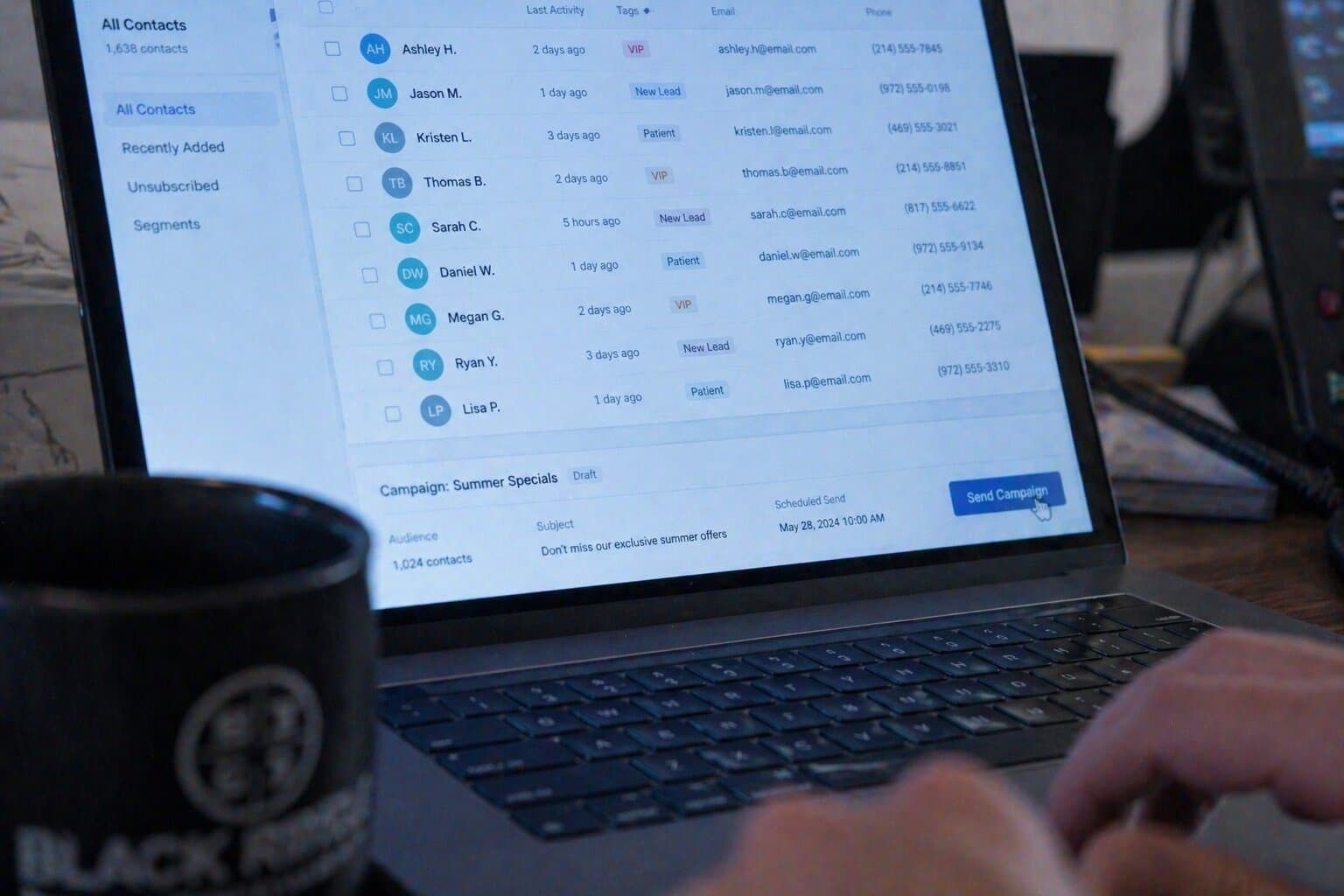
If you want to run a manual version of this today: export your CRM contacts, filter to leads from the last 18 months who haven't been in, write a short personal SMS for each of the three segments, and send them from your clinic's number. Make sure someone is available to respond quickly when people reply. Track how many book.
The result will be meaningful — most clinics generate at least 8–12 bookings from even a basic manual reactivation. The fully automated version, with AI handling responses 24/7 and ML segmentation doing the heavy lifting, typically generates 2–3× that. But starting manually is better than not starting at all.
Your database is not a graveyard. It's a pipeline that was never properly worked. Work it before you go looking for new leads.
Ready to put this into practice?
Book a free 30-minute strategy call. We'll audit your current patient flow and show you exactly what a full AI acquisition system would generate for your clinic.
Book a strategy call